When a deck fitting becomes worn, damaged or difficult to operate, replacing it might seem straightforward. However, choosing a part that looks similar to the original can lead to problems, from poor fit and difficult installation to incompatible fixings or a fitting that cannot withstand the demands of the marine environment. For crew and technical teams responsible for yacht maintenance, getting the specification right the first time helps avoid unnecessary delays, additional costs and potential issues with reliability.
Choosing the right marine deck hardware means looking beyond appearance. Material, dimensions, fixings and compatibility with the existing installation all need to be considered, alongside the conditions the fitting must withstand. Where the original specification is unclear or a direct replacement is unavailable, specialist advice from a yacht chandlery can help establish the most suitable option before ordering.
Explore Our Most Popular Brands
Confirm the Original Specification
Rather than identifying a fitting by function alone, establish the original specification and whether the replacement needs to be like-for-like. Check the manufacturer, part or model reference, applicable load rating and any installation requirements in the yacht’s documentation.
Photograph the fitting before removing it and, where removal is safe and authorised, record the underside, backing arrangement, fixing pattern and surrounding structure. This information helps a supplier identify a compatible replacement and flag cases where an alternative requires technical review.
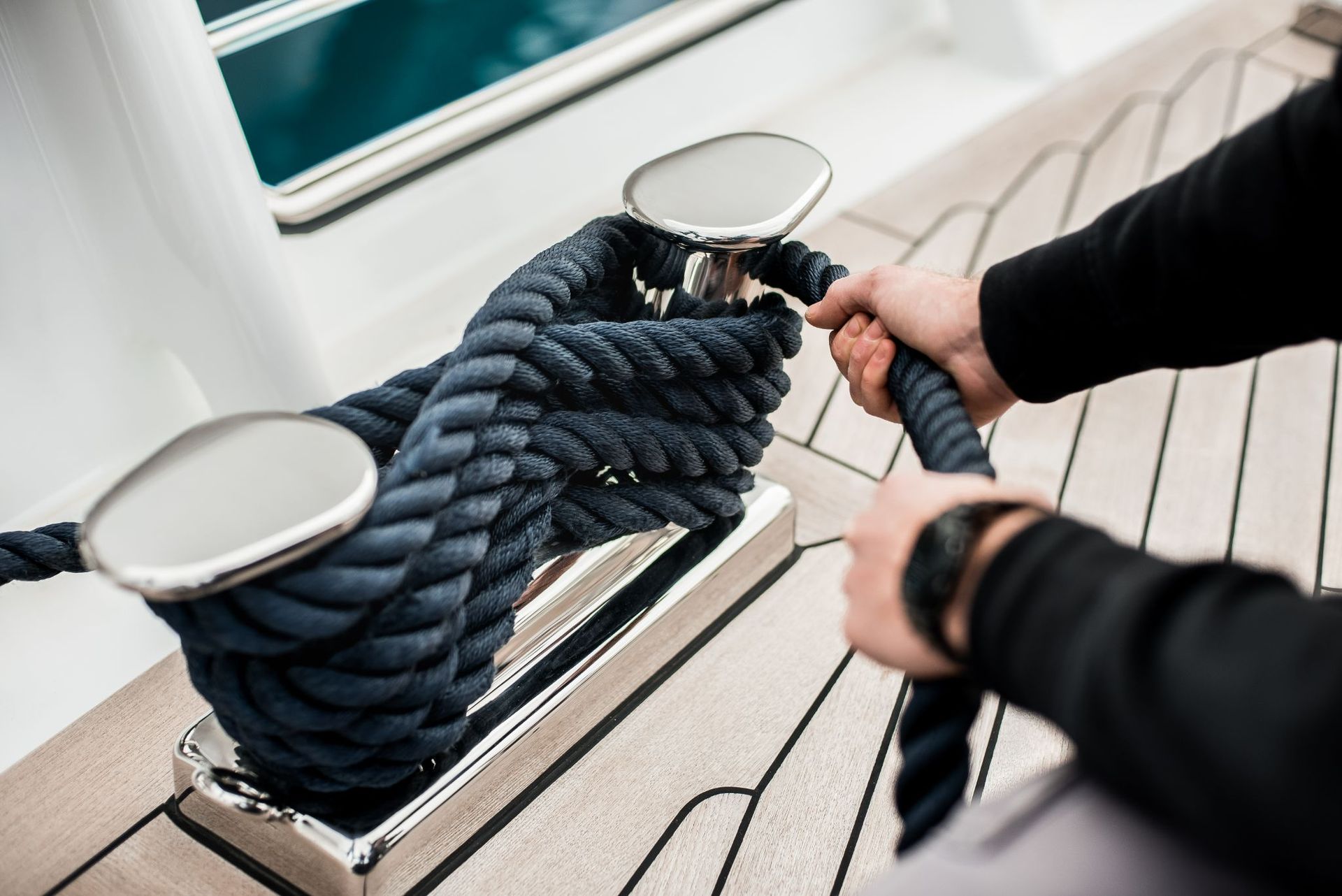
Consider Materials and the Marine Environment
Saltwater, moisture, sunlight and repeated use can affect fittings. Choose a replacement material and finish suited to the location and operating conditions.
316 stainless steel is commonly used for marine hardware because it offers good corrosion resistance in saltwater environments. However, it is not corrosion-proof: the grade, surface finish, exposure conditions and maintenance practices all influence service life. The right grade depends on the fitting, its exposure and how it will be used. Other materials may be more suitable for specific applications, so always check the manufacturer's specifications rather than relying on appearance alone.
Consider nearby components as well: contact between different metals can create compatibility concerns in a marine environment. Follow manufacturer guidance or seek advice if the original specification is unknown.

Check Dimensions, Fixings and Compatibility
A fitting can look right and still fail to fit. Before ordering yacht deck hardware, check how it attaches to the yacht and confirm the measurements relevant to that component.
Depending on the part, check length, width, hole spacing, mounting arrangement, thread size and clearance for moving parts. For connections to existing equipment, verify the connection type and dimensions at each end. Use the original specification or a reliable technical drawing where possible. Where relevant, confirm the fastener specification and backing arrangement as well as the dimensions of the fitting itself.
Measurements from worn parts may be misleading, so compare them with the installation and documentation. Small differences affect alignment and operation. Accurate measurements help identify suitable yacht deck hardware and avoid ordering a part that cannot be installed.
For load-bearing or safety-critical fittings, confirm that the replacement is appropriate for the specific application. If the original part is unavailable, discuss possible alternatives with a yacht chandlery and verify compatibility before choosing a substitute. If suitability or installation is uncertain, consult a qualified professional rather than relying on appearance alone.
Recognise Wear Before a Fitting Fails
During routine inspections, look for corrosion, cracks, deformation, loose fasteners, damaged threads, unusual movement or a fitting that no longer operates as intended. Pay attention to the surrounding area as well: water ingress, damaged bedding or movement in the mounting surface may point to a wider issue.
Follow the manufacturer’s inspection guidance. Do not keep using a compromised component where failure could affect crew safety or equipment security. Some fittings need professional assessment rather than simple replacement.
For yacht maintenance records, note the fitting’s location, the issue identified and whether further inspection is required. For broader maintenance advice, read Antibes Ship’s yacht maintenance guide.
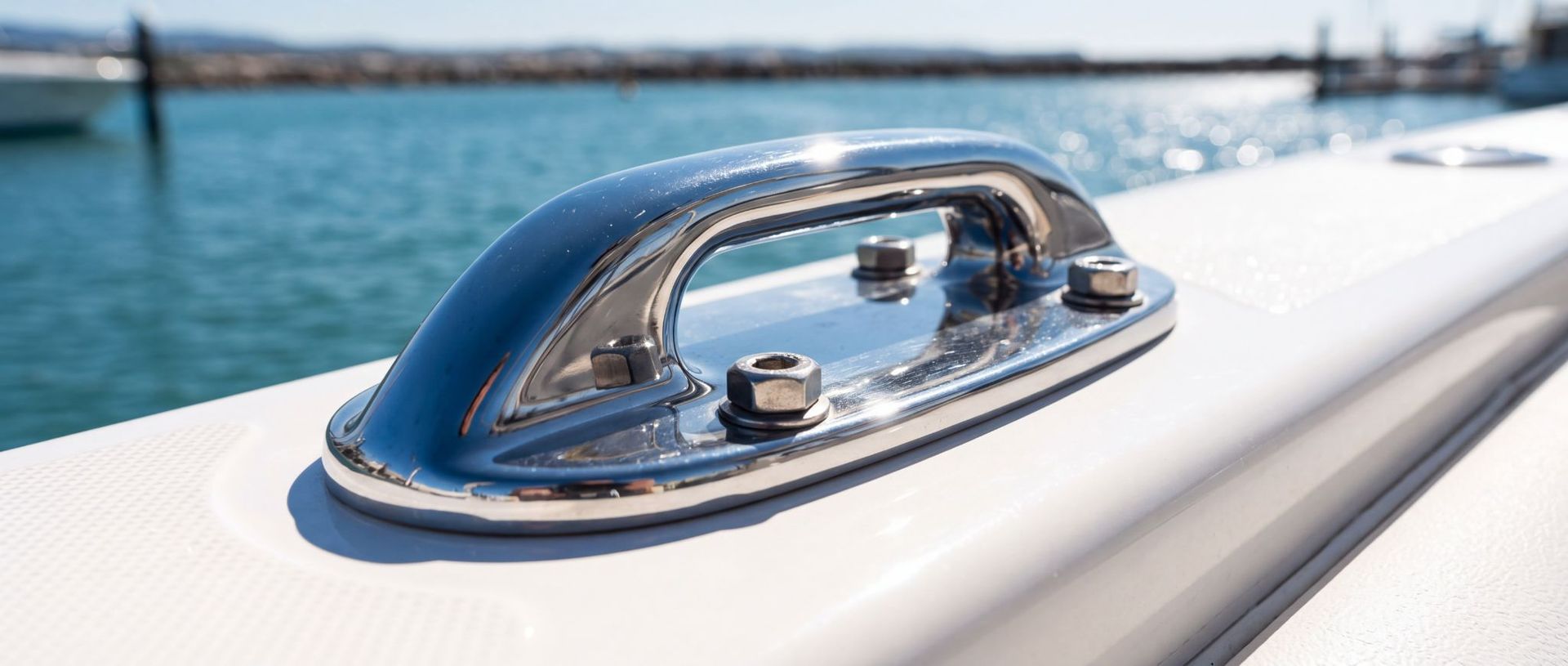
When and How to Upgrade Marine Deck Hardware
Replacement and upgrading are not always the same decision. An upgrade may be worth considering when corrosion or recurring faults persist, a component becomes obsolete, maintenance demands increase, operating requirements change or the existing specification no longer suits the application. Base the decision on inspection records, operating conditions and manufacturer guidance rather than age or appearance alone.
Before changing the specification, assess the fitting’s load requirements, mounting geometry, deck structure, backing plates, fasteners, bedding and available clearance. A replacement with a higher stated load rating is not automatically a suitable upgrade if the surrounding structure or fastening arrangement remains the limiting factor.
Check material compatibility and any implications for connected equipment, maintenance procedures or existing warranties. For load-bearing, mooring or other safety-critical applications, consult the manufacturer, technical superintendent or an appropriately qualified marine professional before changing the specification. Confirm that the proposed fitting and installation method are suitable for the application.
Once an upgrade is approved, record the new part reference, the reason for the change, relevant installation requirements and any revised inspection or maintenance intervals. This creates a useful reference for future servicing, purchasing and replacement planning.
Keep Relevant Replacement Fittings Onboard
Keeping suitable spare fittings onboard can be useful when a component needs replacing. Prioritise items that are essential to the yacht’s operation or difficult to source at short notice, taking into account the yacht’s equipment and cruising plans.
Record each spare’s reference, dimensions and material, and store parts to protect them from damage and corrosion. Review stock levels regularly and replenish used items as needed. For a broader approach to inventory management and restocking, read our guide to Superyacht Supplies: A Guide to Inventory Control and Replenishment.
Explore Yacht Maintenance Products
Source Marine Deck Hardware with Clear Information
Antibes Ship is a local yacht chandlery in Antibes for crews sourcing marine products. When enquiring, share the fitting’s purpose and location, photographs, measurements, material requirements and any known product reference. Where a direct replacement is unavailable, explain whether you are considering an alternative or a planned upgrade, and share any relevant technical requirements. These details help the team assess suitable options. Always confirm product suitability and availability before ordering.
Choose the Right Fitting for the Job
Choosing suitable marine deck hardware means confirming the specification, assessing the condition and installation requirements, and recognising when a like-for-like replacement may no longer be the most appropriate solution. Accurate measurements, manufacturer specifications and early identification of wear can help prevent unsuitable replacements and unnecessary delays.
Need help sourcing a replacement? Contact Antibes Ship for advice on finding suitable fittings for your yacht.